A sharp new season

This is Western Coffee—notes on building the creative body. Last time: The festival of pain. The whole series is here.
After the marathon cometh strep throat; don’t know if you’ve heard that one before. I was aware that people (including me) got sick a lot after endurance events, but this article from Triathlete Magazine enhanced my sense of why:
Immune cell function remains depressed for as long as three days after competition, greatly increasing the athlete’s susceptibility to viral and bacterial infections. The causes of this phenomenon appear to be multiple and are not fully understood. Part of the problem is that the immune cells’ main fuels, such as the amino acid glutamine, are depleted by exhaustive exercise. It seems the immune system also downregulates its inflammatory response to tissue damage to avoid out-of-control systemic inflammation that would otherwise result from the high muscle damage incurred. But this downregulation impairs the immune system’s ability to fight foreign invaders.
Even aside from the swelling in my tonsils, the transition out of race season is sharp: I’m adding on some consulting work for a nonprofit organization I deeply respect, and that’ll more or less replace the half of my training schedule that was brick workouts and long runs. Last year I went all in on strength work and dialed way back on aerobic for a couple of months in the later fall, but I want to hold on to more of a running base this time around; I’d love to hit my goal of a sub-3:30 marathon next year.
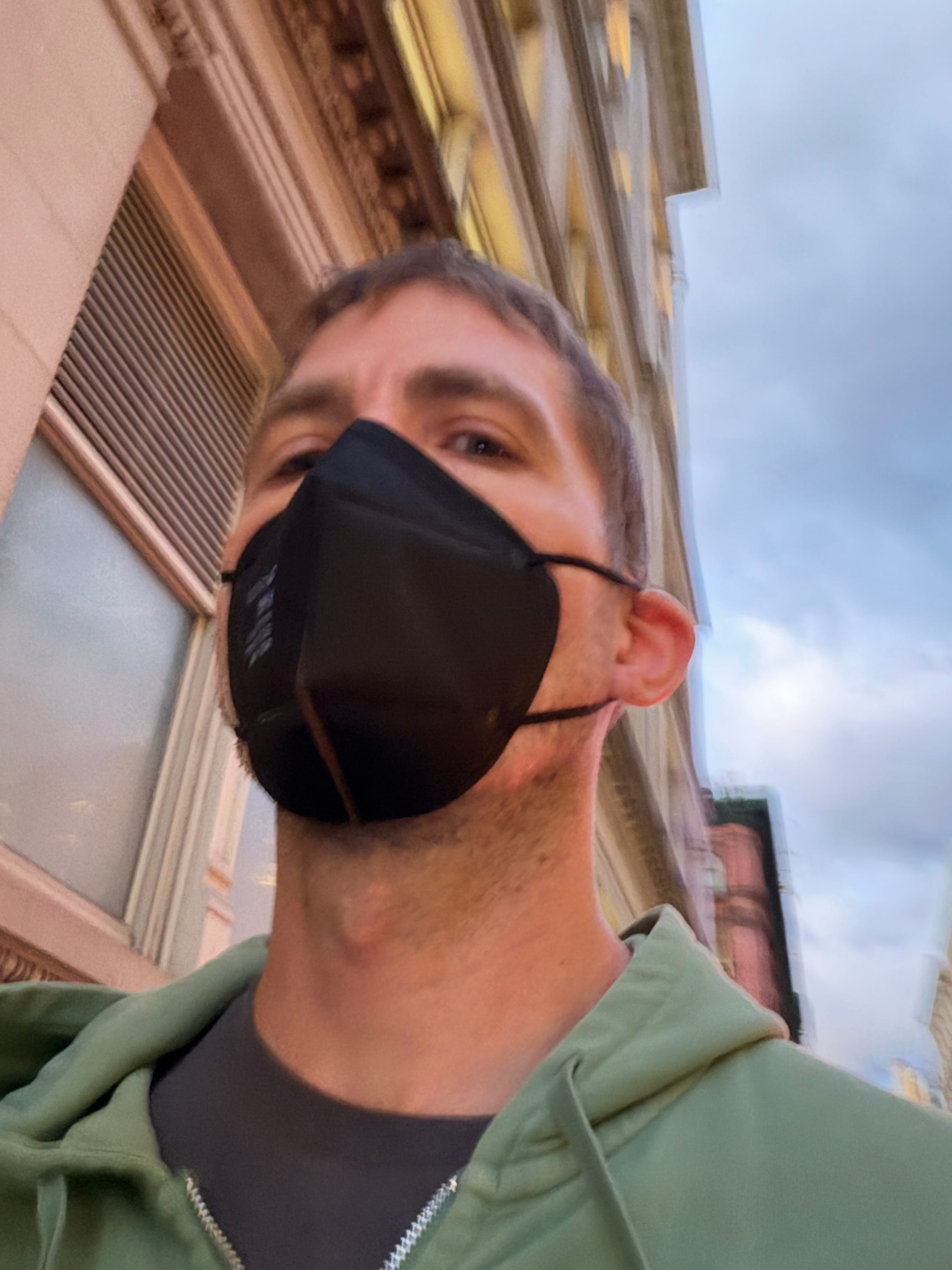
The seasonal change is also hitting a little harder because it’s been a dark year, in many ways harder in the day-to-day than last. One of the aspects of grief that’s most interesting to me is its long-term reverberance, beyond the initial shockwave—its stubborn power to deteriorate. I’ve read and written about grief for a long time, but the staying power of last year’s events is new for me. Still, this is something I wrote at the end of 2021, when I was on a lower rung of loss:
Movement, in particular, which I think sometimes gets a reputation as a means of escape—movement was the landing spot for all that emotion, the point of arrival. Movement was a site of healing, and the healing began with sometimes harrowing exposure. I remember on one of my first runs across the Williamsburg Bridge (one of my first runs ever), pain presenting in my legs that I knew was the pain of my heart—knowing that, as I felt it, and continuing to run, and feeling the strands of grief start to pull at themselves just a bit, to let up their first sigh of loosening.
Having moved less than usual over the last few weeks—first to recover from the Ironman, then to taper for the marathon, then to recover from the marathon, and now through illness—I’m feeling the effects of stasis, which I’ll bring to an end tomorrow when the pencillin has kicked in and I’m not a biohazard. It’s amazing what ten minutes of yoga can do—the way it points you toward the sky.
Please share this email. Sign up free or, if you’ve done that and enjoy the newsletter, sign up for a paid subscription to support my work. Kindly send me your thoughts, questions, and provocations: dmichaelowen@gmail.com.